Repointing & brickwork specialists in Barnet
The London Borough of Barnet stretches from the Hampstead Garden Suburb to East Barnet Village — a wide variety of period properties, many in conservation areas, all requiring specialist lime mortar care.
Barnet is a large and architecturally varied borough. The Hampstead Garden Suburb — one of the most significant planned communities in Britain — contains Arts and Crafts housing of exceptional quality that requires equally exceptional care. East Barnet Village, Monken Hadley and New Barnet all have significant stocks of Victorian and Edwardian housing. Finchley and Whetstone are dominated by inter-war semi-detached properties, many brick-built and now approaching the age where mortar maintenance becomes essential.
We work across the whole borough. Whether you have a Hampstead Garden Suburb cottage, a Finchley Edwardian semi or a Victorian terrace in New Barnet, we assess each property individually and specify the correct lime mortar for that building.
Many Barnet properties that were repointed with cement in the 1970s, 80s and 90s are now showing the consequences — cracked bricks, damp penetration and spalling. We remove the cement carefully using hand tools and replace it with the appropriate lime specification.
- Experienced with Barnet's wide range of period property types from Hampstead Garden Suburb to East Barnet Village
- Specialists in removing cement mortar and replacing with correct lime specification
- Familiar with Barnet Council and Hampstead Garden Suburb Trust planning requirements
- Inter-war and Edwardian semi-detached repointing specialists
- Free quote anywhere in the London Borough of Barnet — no obligation
Other areas we cover
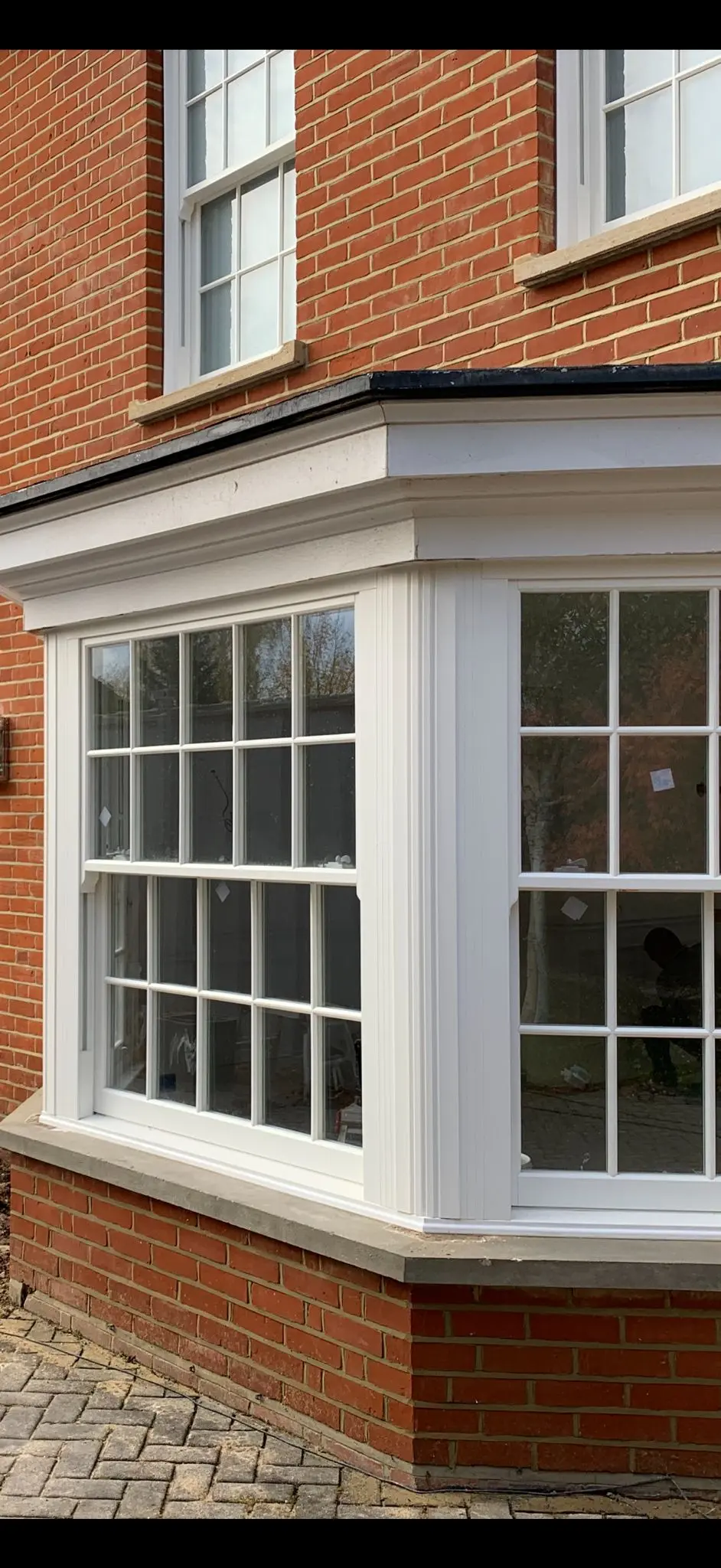
“Chris is a craftsman and master pointer. He made a really beautiful job of repointing the whole side of our building. I can’t recommend him highly enough.”
— Gill Brown, Islington
How much does it cost?
Labour guide prices only. Every written quote includes all materials, scaffolding and access.
Frequently asked questions
Get a free quote.
Free quote for Barnet and surrounding areas — no obligation.